










The keynote in New Delhi highlighted India’s USD 170 billion annual climate financing requirement and emphasised the role of adaptation, resilience and blended capital in building a future-ready climate economy.
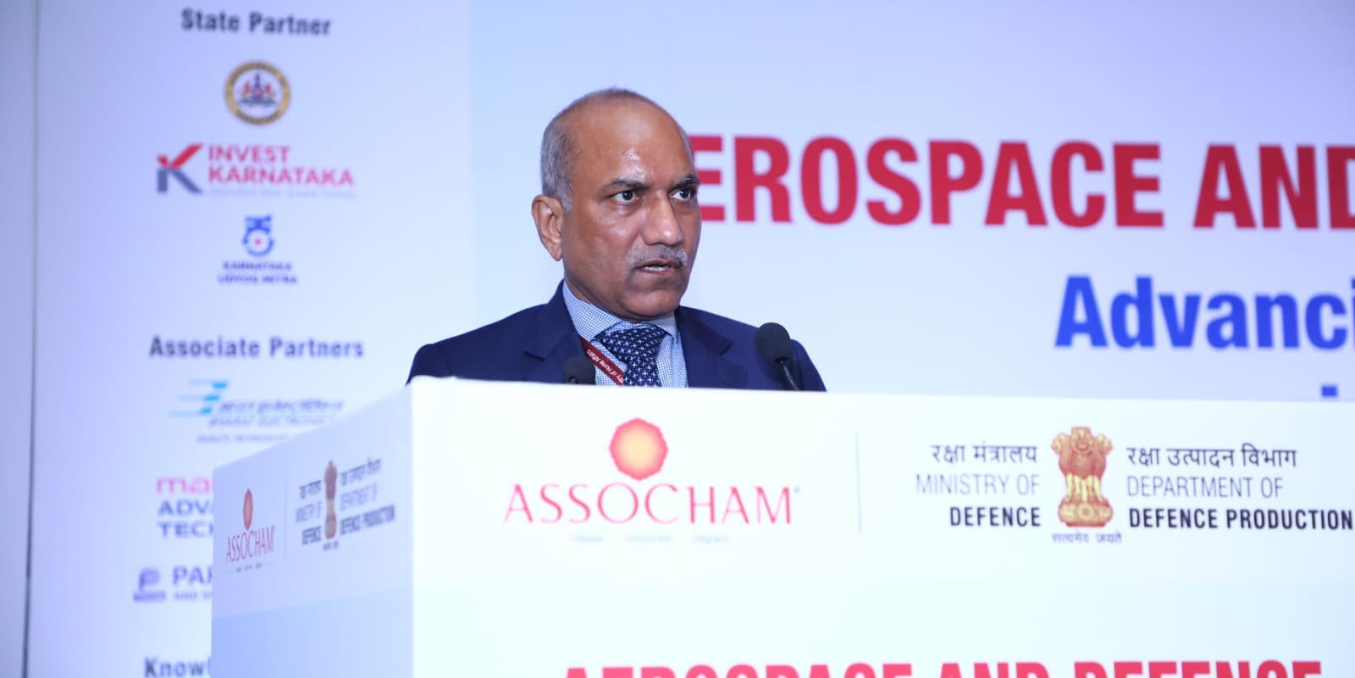
New Delhi hosted a significant gathering of climate leaders, investors, policymakers and entrepreneurs as the second edition of the IVCA GreenReturns Summit 2025 began its sessions with a keynote address by Prem Prabhakar, Managing Director and CEO of SBI Ventures. His remarks focused on the emergence of what he described as a new climate economy, a phase where climate considerations are becoming inseparable from financial stability, national planning and industrial competitiveness. Speaking to an audience that included asset managers, global investment institutions and climate-tech founders, he outlined how climate change has moved from being a thematic concern to a structural influence on the way nations allocate resources, shape long-term development strategies and protect communities.
In his comments, Prabhakar pointed to India’s reality of extreme weather patterns that increasingly affect macroeconomic outcomes. Rising heat levels, fluctuating monsoons, flooding and disruptions across supply chains have created a landscape where climate impact is tied to national resilience. He emphasised that India’s climate response is not only a domestic priority but also an important dimension within the global climate framework. The country’s experience with rapid urbanisation, large population centres and complex infrastructure networks requires a financial architecture capable of supporting both growth and adaptation.
A key portion of the address focused on India’s climate capital requirement. Prabhakar referenced an estimated annual need of USD 170 billion for the country to meet its climate commitments, a figure that stands at nearly three times the current capital flow. The most significant financing gaps, he noted, are in sectors related to adaptation and resilience. These areas include water security, climate-smart agriculture, infrastructure capable of withstanding frequent climate shocks and systems that protect communities from extreme weather. According to Prabhakar, these categories demand greater attention from investors and institutions because they define the country’s ability to manage climate vulnerability while supporting economic stability.
He argued that climate finance cannot depend on equity alone. Instead, India must move toward a layered financial model that blends equity, concessional capital, philanthropic risk-taking and innovative instruments. These instruments include climate resilience bonds and mechanisms that support the development of carbon markets. He urged stakeholders to focus on reducing risk for early-stage climate technologies and enabling prototypes and first-of-its-kind solutions to secure the capital they require. This approach, he said, would strengthen institutional capacity across the investment chain and improve the flow of financing toward climate priorities that carry long-term significance.
The keynote also included a detailed view of SBI’s climate commitments. Prabhakar shared that the bank has set a target to achieve a 7.5 percent green portfolio in its domestic gross advances by 2030. In addition, SBI has outlined a parallel plan to achieve carbon neutrality across its internal operations by the same year. Through SBI Ventures, the bank continues to build an investment platform focused on climate solutions. He spoke about the progress of the Neev Funds which have shifted from climate infrastructure in their first fund to climate innovation and frontier technologies in the second. The Neev platform has attracted nearly seven times follow-on capital from Indian and international investors, demonstrating the viability and appeal of sustainability-led business models.
Prabhakar highlighted several sectors in which the Neev Funds have invested, illustrating the role of targeted financing in shaping climate action. These sectors include emission-reduction technologies such as those developed by Chakr Innovation, bio-CNG infrastructure through GPS Renewables, circularity-focused solutions by Blue Planet, industrial-scale green hydrogen provided by Hygenco, controlled-environment agriculture by Nutrifresh, water loss management and urban resilience solutions by Solinas and Retas Enviro Solutions, and energy-efficiency innovations developed by Smart Joules. These examples, he said, reflect the wide range of climate-aligned opportunities emerging in India and the role of private capital in advancing such solutions.
A forward-looking component of the keynote was the announcement that SBI Ventures will launch its third climate-focused fund early next year. This upcoming fund will focus on early-stage and growth-stage climate startups, especially those working on frontier climate technologies and AI-driven climate solutions. Prabhakar stated that the objective is to create new avenues for green growth and position India as an innovation centre for climate solutions that serve the Global South.
The address also considered India’s growing climate-tech ecosystem. Prabhakar referenced the emergence of startups working in areas such as cooling technologies, low-carbon materials, nature-based solutions, waste management and circular innovation. He noted that more than one hundred twenty climate-tech startups have raised over two hundred funding rounds from more than two hundred seventy investors in the last five years. This growth, he said, indicates that India is becoming a laboratory for climate innovation and offers a strong platform for technologies that address regional and global climate challenges.
He closed by describing climate finance as a shared responsibility. Asset managers, funds, banks and policymakers must work together to mobilise capital that creates both economic resilience and climate-aligned outcomes. He added that financing climate action is not solely about supporting individual projects but about building systems that enable long-term solutions. When capital aligns with purpose, he said, the outcome is not only infrastructure or innovation but the creation of possibilities that strengthen national resilience.
The keynote set the direction for Day 2 of the IVCA GreenReturns Summit and emphasised India’s potential to lead climate innovation in the coming decade. It highlighted the opportunity for India to attract significant climate capital while shaping a more sustainable and competitive economic future.
At Prittle Prattle News, we honor your dedication and inventiveness led by showcasing you in a positive light. Under the direction of Editor-in-Chief Smruti Bhalerao, our platform is committed to disseminating powerful narratives that raise awareness and motivate change. For more important stories, follow us on LinkedIn, Instagram, and YouTub
About Prittle Prattle News
Prittle Prattle News is a digital news publication covering business, technology, healthcare, education, lifestyle, public affairs and other developments from India and around the world. Led by Editor-in-Chief Smruti Bhalerao, we publish timely news, industry updates and feature stories for a broad readership.


































Add Comment