


Niranjan Gidwani argues that annual retainer partnerships with ethical legal firms can help directors and CXOs manage rising governance risks, avoid liabilities, and focus on strategic oversight
Why board directors need legal retainers after training
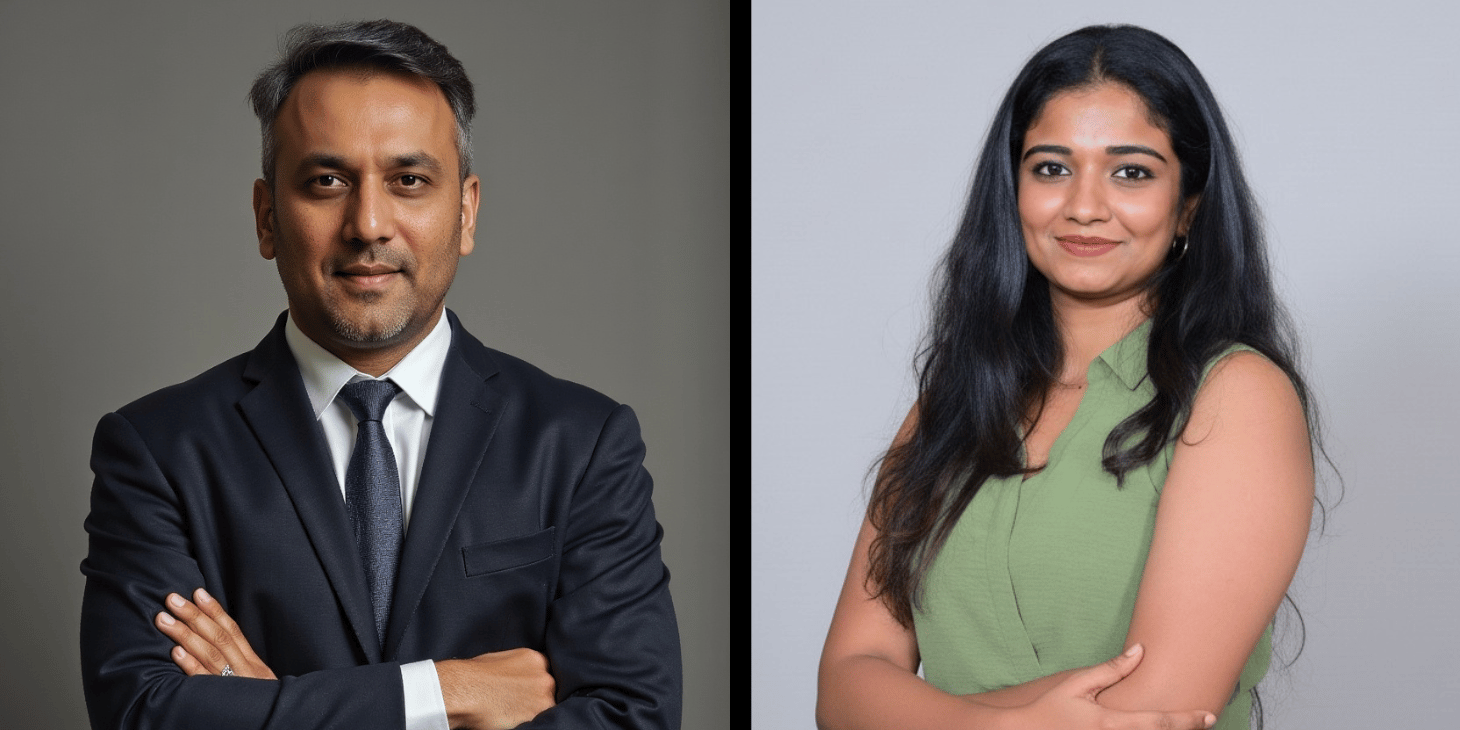
In today’s business environment, the responsibilities of independent directors and CXOs extend far beyond quarterly reviews and strategy discussions. As Niranjan Gidwani, industry veteran and former CEO of Eros Digital, points out, directors are now personally accountable for decisions that fall under an expanding web of compliance, governance and shareholder scrutiny.
“Training gives directors awareness of duties. But when facing complex disputes, regulatory filings, or whistle-blower cases, directors cannot rely solely on memory or intent. A standing retainer with an ethical legal partner ensures timely access to expert counsel and reduces the risk of personal liability,” Gidwani notes.
For companies, the value goes beyond risk mitigation. Properly structured retainers also build credibility with investors, demonstrating that the board is proactive in protecting shareholder interests. “It signals that directors want to focus on creating value while ensuring checks and balances are in place,” he adds. He also adds ” Maybe such services are available already, but not marketed well and no one seems to have taken prime space in this area. Like chartered accounts do for their clients, there should be firms handling the entire file of a director once he or she gets on board. All documentation submissions, meeting deadlines etc”.
You may also like
About the author


These gummies hit just right 👌
Hi there to all, for the reason that I am genuinely keen of reading this website’s post to be updated on a regular basis. It carries pleasant stuff.
For the reason that the admin of this site is working, no uncertainty very quickly it will be renowned, due to its quality contents.
I was skeptical but these are 🔥
[…] which now houses ADP’s largest global innovation center outside the United States, has become synonymous with the company’s global transformation […]