




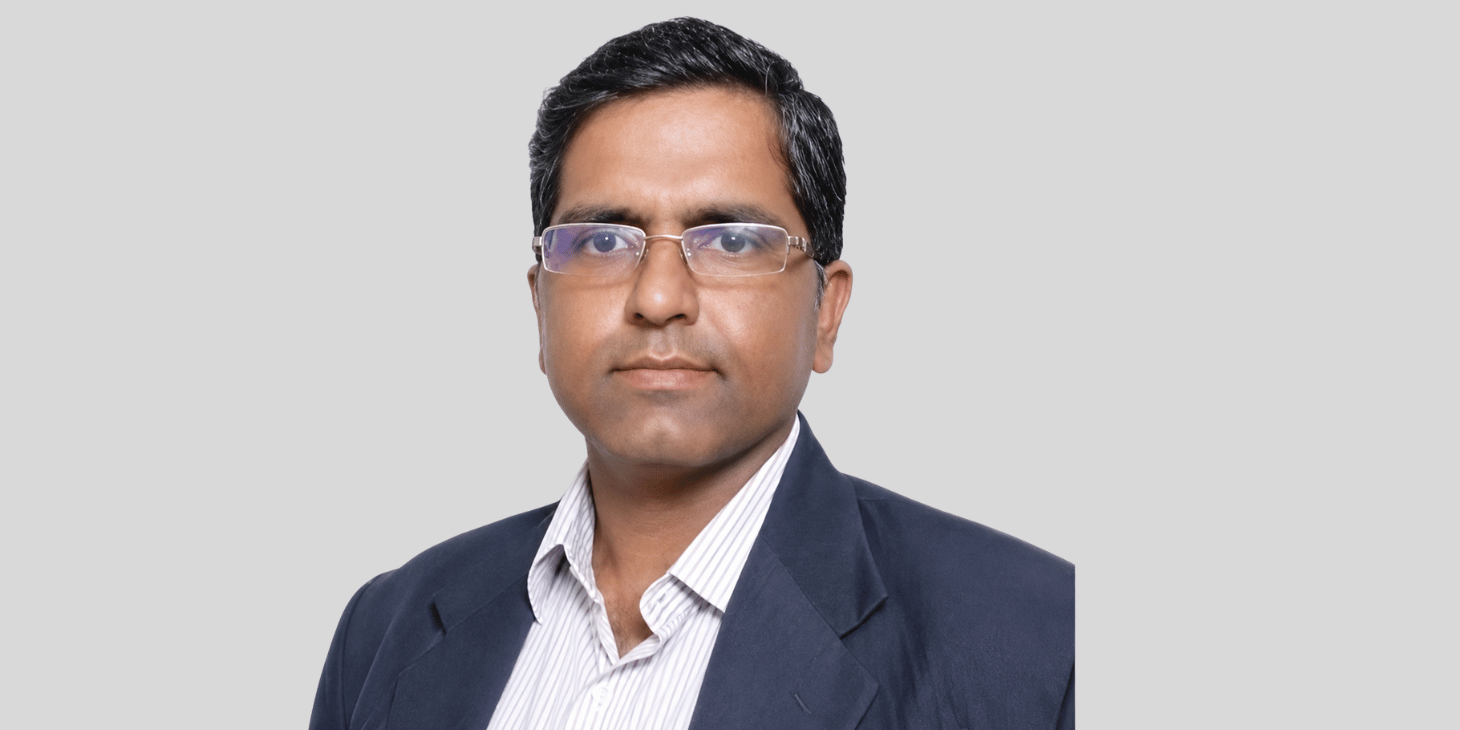
Rohit Kumar Singh argues that India’s slip in the IMF’s 2026 nominal GDP table is less important than the structural issues it has exposed, including weak manufacturing depth, export fragility, MSME productivity constraints, and underinvestment in research, skills, and human capability.
India’s shift to sixth place in the IMF’s April 2026 nominal GDP rankings is not, in itself, the central economic problem. The larger concern, Rohit Kumar Singh argues, is that the change has exposed a deeper capacity deficit in the economy.
According to the article, India’s nominal GDP is estimated at about USD 4.19 trillion in 2026, placing it below the United Kingdom’s USD 4.28 trillion. The change did not come from a collapse in domestic growth. Real GDP is estimated to rise by 7.4 percent and nominal GDP by 8.0 percent in FY 2025 to 26. Instead, the ranking shift reflects the effect of GDP revisions and rupee weakness on the dollar value of output.
The article argues that this is why the ranking matters. It reveals a disconnect between India’s stated ambitions and its operating capabilities. While policy language has centred on themes such as China plus one, India First, production linked incentives, export growth, and self reliance, the pressures of tariffs, geopolitical fragmentation, and currency weakness have exposed how much of that progress remains incomplete at the level of production systems.
A major weakness, the article says, lies in the lack of manufacturing depth. India may have identified the right global opportunities, but it has not built the dense supplier networks, logistics efficiency, customs speed, compliance systems, and domestic value addition required to convert those opportunities into durable industrial strength. Countries such as Vietnam and Mexico, it notes, have moved more quickly in creating plug and play manufacturing ecosystems.
The argument extends to manufacturing’s role in the domestic economy. The article says India has not yet reached the long stated goal of manufacturing contributing 25 percent of GDP. Expansion indicators may point to activity, but they do not necessarily represent deeper industrial capability. What matters, it says, is the presence of intermediate goods networks, tooling, design strength, testing infrastructure, and the ability to retain more value within the domestic economy.
The same structural concern is visible in employment and in the MSME segment. Singh notes that MSMEs account for 31.1 percent of GDP, 35.4 percent of manufacturing output, and 48.58 percent of exports, with around 7.47 crore enterprises employing roughly 32.82 crore people. He argues that if this segment remains undercapitalised, under digitised, and low in productivity, then the broader growth story will remain wide in scale but limited in transformation.
The article also gives a cautious reading of export performance. Services exports and remittances have helped cushion the external account, but merchandise competitiveness remains weak. India’s share in global manufacturing GVA and global merchandise exports remains limited, while logistics costs and trade frictions continue to affect competitiveness. A weaker rupee may provide temporary price support, the argument says, but it cannot replace efficiency, reliability, and stronger trade systems.
A further long term constraint lies in research, development, education, and workforce readiness. Singh writes that India’s gross expenditure on research and development remains around 0.64 percent of GDP, well below countries that have built durable manufacturing strength. He adds that India’s demographic advantage will not convert into industrial power unless skills, employability, and process capability improve alongside expansion in formal education.
The article proposes a capacity first growth strategy built on five pillars. These include stronger manufacturing ecosystems rather than isolated factories, jobs as the main measure of reform, export competitiveness based on cost and reliability, an MSME productivity mission tied to digital tools and AI adoption, and deeper integration of research, technical education, and youth skilling into sectoral policy.
Singh concludes that India’s sixth place ranking is not the crisis but a warning signal. The more serious issue, he argues, is that ambition has moved ahead of capacity. If India wants to become the world’s third largest economy on a durable basis, it must treat capacity as the foundation of growth rather than an outcome that will appear on its own.
At Prittle PrattleNews, featuring you virtuously, we celebrate the commitment and innovation. Led by Editor-in-Chief Smruti Bhalerao, our platform is dedicated to sharing impactful stories that inspire change and create awareness. Follow us on LinkedIn, Instagram, and YouTube for more stories that matter.
About Prittle Prattle News
Prittle Prattle News is a digital news publication covering business, technology, healthcare, education, lifestyle, public affairs and other developments from India and around the world. Led by Editor-in-Chief Smruti Bhalerao, we publish timely news, industry updates and feature stories for a broad readership.
Add Comment